
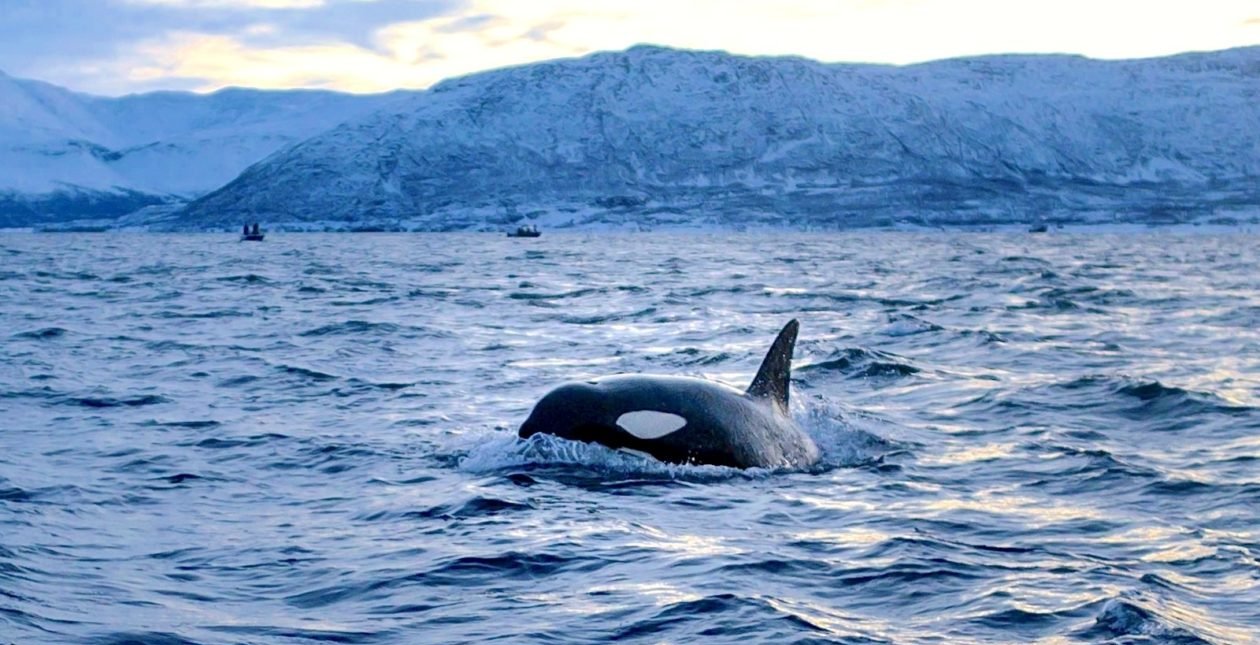
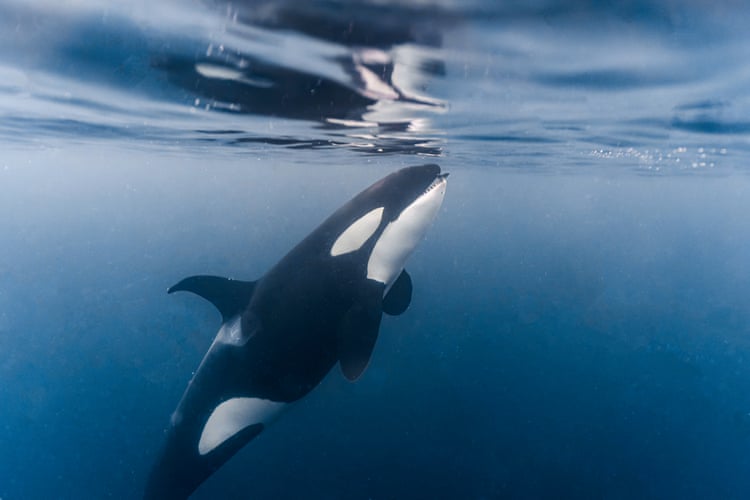
An endangered orca known as J36 has been seen carrying her dead newborn calf through the Salish Sea, a heartbreaking reminder of the fragile state of the Southern Resident killer whale population.
According to CBS News, researchers confirmed that the calf — still bearing its umbilical cord — was either full term or near full term but died within just days of being born.
This isn’t the first time such grief has been observed among these animals. In 2018, another Southern Resident orca, Tahlequah (J35), captured global attention when she carried her dead calf for more than 1,000 miles over 17 days.
Scientists say these mourning rituals reflect the deep emotional lives of orcas, who live in close-knit pods and rely on complex communication and social bonds.
The Southern Resident population is now down to just 73 individuals. Their survival is threatened by dwindling Chinook salmon, vessel noise, and persistent Pollution that accumulates in the marine environment.
Orcas are apex predators, and toxins build up in their fat through a process called bioaccumulation, weakening immune systems and reducing reproductive success. With up to 70% of orca pregnancies ending in loss, every calf is vital to the population’s future.
The grief of J36 is more than just an animal tragedy — it’s a signal of the broader imbalance humans are driving in the ocean ecosystem.
Protecting these whales means protecting salmon habitats, reducing ocean noise from ships, and cleaning up the waters they depend on. It also reminds us of the deep connections between all life on this planet, from whales to rivers to people.
Each choice we make — from what we eat to how we travel — has ripple effects across the earth. By supporting plant-based diets, sustainable fisheries, and strong protections for marine wildlife, we can help ensure that future generations of orcas have a chance to thrive.
Choose compassion, protect our oceans, and help give these whales a fighting chance.
This article by Nicholas Vincent was first published by One Green Planet on 18 September 2025. Lead Image Credit: Mathias Berlin/Shutterstock.
What you can do
Help to protect wildlife by donating as little as $5 – it only takes a minute!
 Donate
Our conservation partners spend at least 90 percent of the money raised on actual fieldwork rather than administration and fundraising.



Leave a Reply